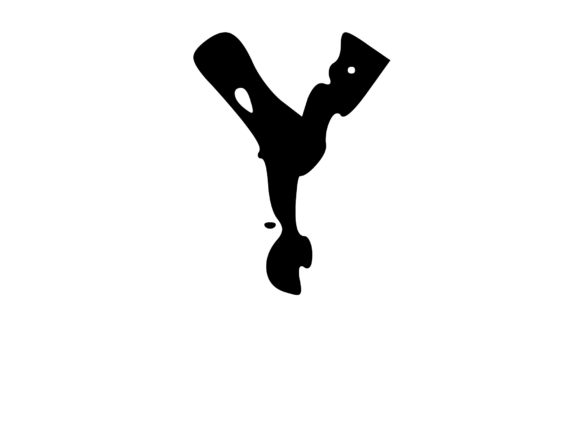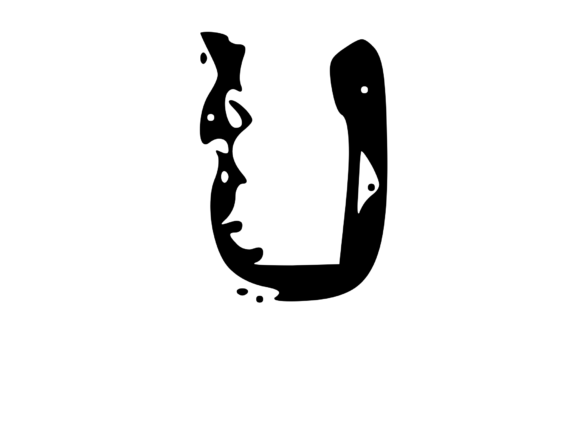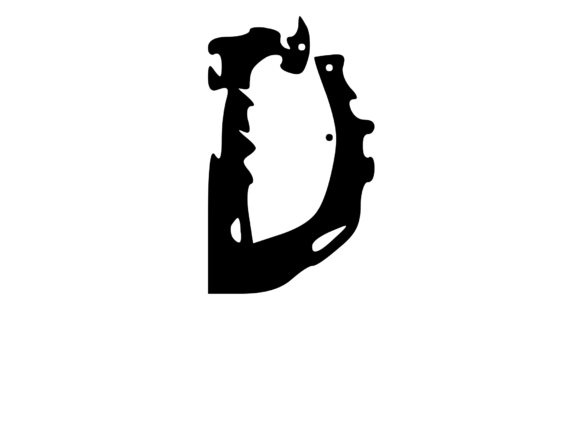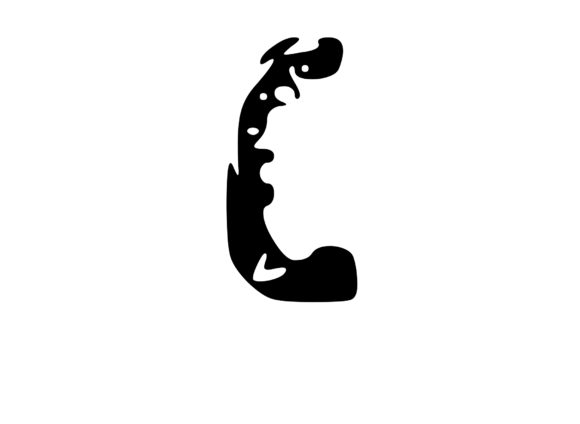
Decaying Rotten Mono Letter W Review
A First Look at Decaying Rotten Mono Letter W
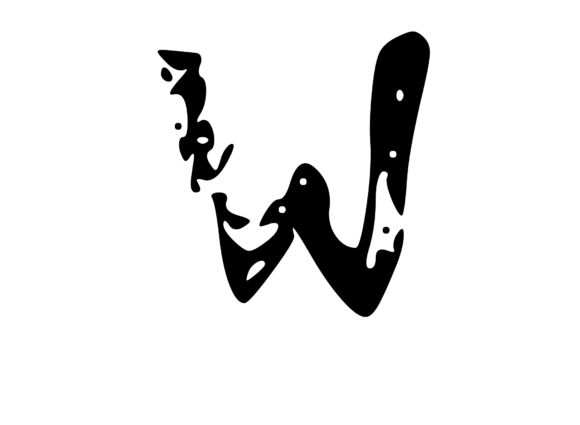
When I first opened the Decaying Rotten Mono Letter W file, it was clear that this design wasn’t your average lettering. The mood it creates is edgy, a bit mysterious, and perfectly suited for those who want to make a statement with their embroidery. The monochrome aesthetic gives it a timeless feel while the "decaying" theme adds an unexpected twist. It’s not just a letter—it’s a visual concept.
The shape of the letter W is clean but has subtle irregularities in the edges that give it character. This makes it ideal for projects where you want something slightly unconventional yet still professional. The layout is straightforward, which is great for beginners but also offers enough detail to keep experienced stitchers engaged.
How It Performs in Real Embroidery Projects
I tested Decaying Rotten Mono Letter W on a few different items to see how it would translate from screen to fabric. On a custom embroidered tote bag, the design stood out beautifully against a light canvas fabric. The contrast between the dark thread and the white background made the letter pop without being too overwhelming.
On a sweatshirt, the same design looked more subdued but still maintained its visual impact. The texture of the fabric played a role here—thicker materials can sometimes mute the details of a design, so I recommend testing it on scrap fabric before committing to a final product.
For baby clothes, I found that the design might be too intense unless paired with a more neutral color palette. However, when used on a patch or a pillow cover, it added a unique flair that customers noticed immediately. The versatility of this design makes it suitable for a wide range of products, from personalized gifts to boutique branding.
Where to Use with Caution
While Decaying Rotten Mono Letter W is versatile, there are some situations where it may not shine as brightly. For example, on small hoop sizes, the fine details of the letter might get lost. I recommend using a minimum hoop size of 5x7 inches to ensure clarity.
Textured fabrics or stretchy materials like knits could also affect the final look. A proper stabilizer is essential to prevent distortion, especially if the design is placed on curved surfaces like caps or hats. Additionally, if you're working with dark fabrics, selecting high-contrast thread colors will be crucial to maintain visibility.
Projects requiring frequent washing should also be considered carefully. While the design itself is durable, the fabric and thread quality will determine how well it holds up over time. Always test the design on a sample piece before moving forward with a full production run.
Design Impact and Practical Considerations
The visual appeal of Decaying Rotten Mono Letter W is undeniable. It adds a layer of storytelling to any project, which can significantly increase customer engagement. Whether it's a handmade product or a commercial embroidery item, this design brings a sense of individuality that sets it apart from generic options.
Stitching clarity is another factor to consider. Since it’s a mono design, the use of satin or fill stitches can enhance the depth of the letter. Testing it in black and white mockups before finalizing the thread color helps avoid surprises later on. For commercial use, confirming the licensing terms is essential to avoid any legal issues down the line.
From a business standpoint, this design can elevate the presentation of your handmade products or Etsy listings. Its uniqueness can help build brand consistency and attract buyers looking for something different. When used on gift items, it adds a personal touch that customers appreciate.
Embroidery Designer Notes
Before using Decaying Rotten Mono Letter W in any real project, take the time to test it on scrap fabric. Check the thread color contrast, review the stitch density, and confirm the hoop size needed for your specific machine. Inspect small details closely, as they can be easily overlooked in larger designs.
Testing in black and white mockups helps you visualize how the design will look on different fabric backgrounds. Compare light and dark versions to see which works best for your intended product. Using proper stabilizer is non-negotiable, especially if you're working with delicate or stretchy materials.
Finally, always check whether the design works for both personal and commercial projects. If you plan to sell finished items or digital products, confirm the licensing terms before proceeding. This ensures that you’re not only creating beautiful embroidery but also doing so responsibly and legally.